
Sleep Support Services
Quality sleep is essential for emotional wellbeing, physical health, and daily functioning — yet many people struggle with falling asleep, staying asleep, or waking up feeling unrested. Sleep difficulties can affect mood, concentration, energy, and overall quality of life. The good news is that effective, evidence‑based treatments exist, and small changes can make a big difference.
Our practice offers structured support for individuals experiencing insomnia or chronic sleep challenges, including Cognitive Behavioral Therapy for Insomnia (CBT‑I), sleep hygiene education, and personalized sleep plans.

What Is CBT‑Insomnia (CBT‑I)?
CBT‑I is the gold‑standard, research‑supported treatment for insomnia. It helps individuals understand the thoughts, behaviors, and patterns that interfere with sleep and teaches practical strategies to reset the body’s sleep system.
CBT‑I typically includes:
- Sleep education — learning how sleep cycles work and what disrupts them
- Sleep scheduling — adjusting bedtime and wake time to strengthen the sleep drive
- Stimulus control — retraining the brain to associate the bed with sleep rather than wakefulness
- Cognitive restructuring — challenging unhelpful thoughts such as “I’ll never fall asleep” or “I can’t function without 8 hours”
- Relaxation techniques — breathing exercises, mindfulness, and grounding strategies
- Behavioral adjustments — reducing habits that interfere with sleep (late‑night screen use, irregular routines, etc.)
CBT‑I is short‑term, structured, and highly effective. Many people experience significant improvement within 6–8 sessions.
Helpful Sleep Tips
These evidence‑based strategies can support healthier sleep patterns:

Create a Consistent Sleep Schedule
Wake up and go to bed at the same time every day — even on weekends. Consistency strengthens your internal clock.

Build a Wind‑Down Routine
Spend the last 30–60 minutes before bed doing calming activities: reading, stretching, light music, or gentle breathing exercises.

Limit Screen Use Before Bed
Blue light from phones, tablets, and TVs can delay melatonin production. Aim to unplug at least one hour before bedtime.
Use Your Bed Only for Sleep
Avoid working, scrolling, or watching TV in bed. This helps your brain associate the bed with rest.

Reduce Caffeine and Alcohol
Caffeine can disrupt sleep for up to 10 hours. Alcohol may help you fall asleep but often causes nighttime awakenings.

Keep Your Sleep Environment Comfortable
Cool temperature, low light, and minimal noise support deeper sleep. Consider blackout curtains or white‑noise machines if helpful.

Get Morning Light Exposure
Sunlight early in the day helps regulate circadian rhythms and improves nighttime sleep.
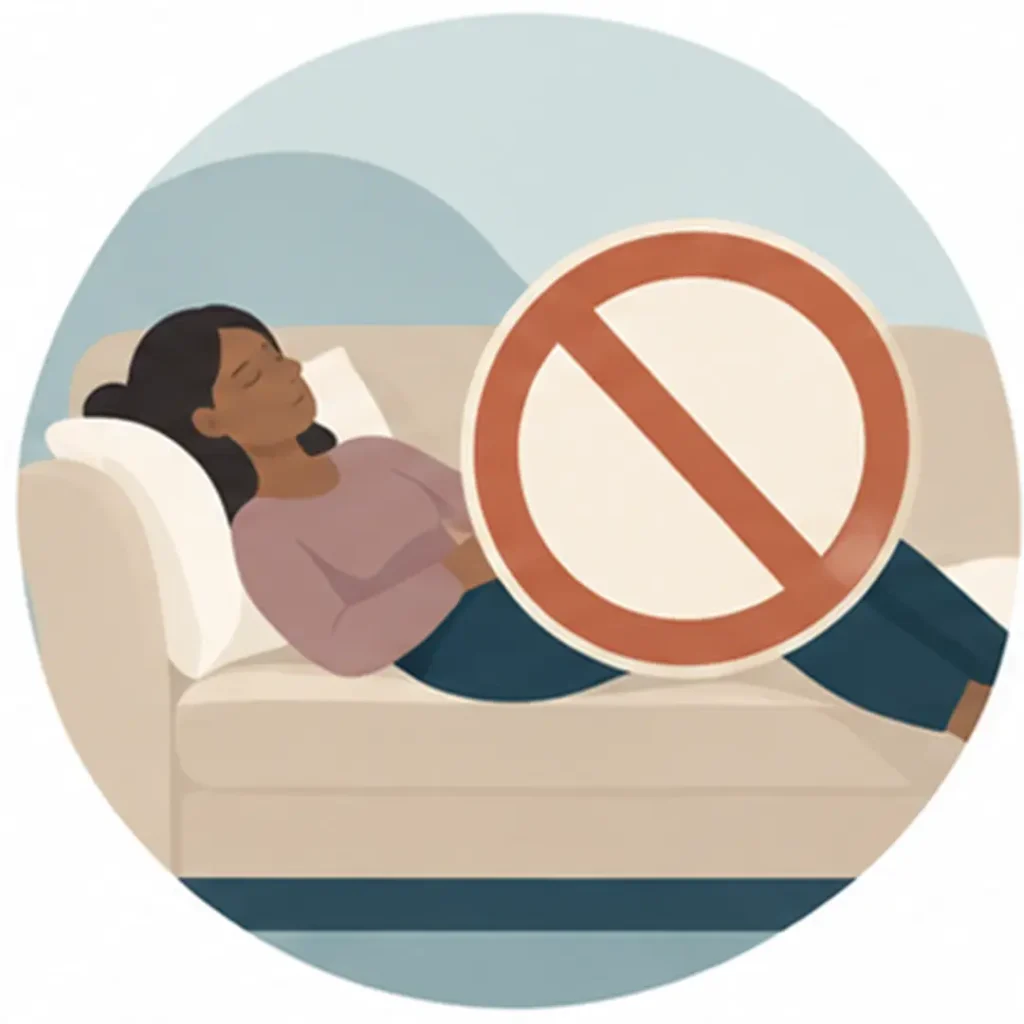
Avoid Long Naps
If you nap, keep it under 30 minutes and before 3 PM to avoid interfering with nighttime sleep.
How Therapy Can Help
Sleep challenges often connect to stress, anxiety, trauma, depression, or lifestyle patterns. Therapy can help you:
- Understand the root causes of insomnia
- Build healthier sleep habits
- Reduce nighttime worry and racing thoughts
- Strengthen emotional regulation
- Create a personalized sleep plan
- Improve overall wellbeing and daily functioning
We tailor treatment to each individual’s needs, combining CBT‑I with supportive therapy, mindfulness, and behavioral strategies.